
Tag: revolutionary-war
-
November, 1775: Indignation and Resignation
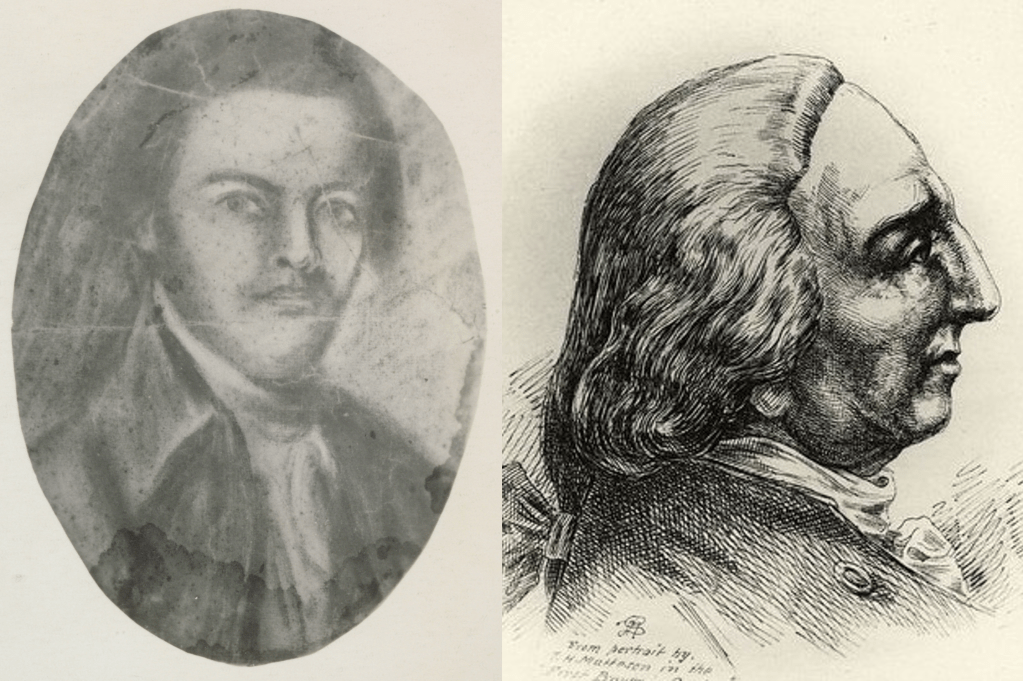
Sometimes difficult choices have to be made. In November of 1775, the rather wealthy colony of New Jersey contained about 150,000 people, and most had presumably learned of the news from Boston, the King’s rejection of the Olive Branch Petition, and the establishment of two New Jersey regiments of militia. As in the rest of…
-
September, 1775: American Blue
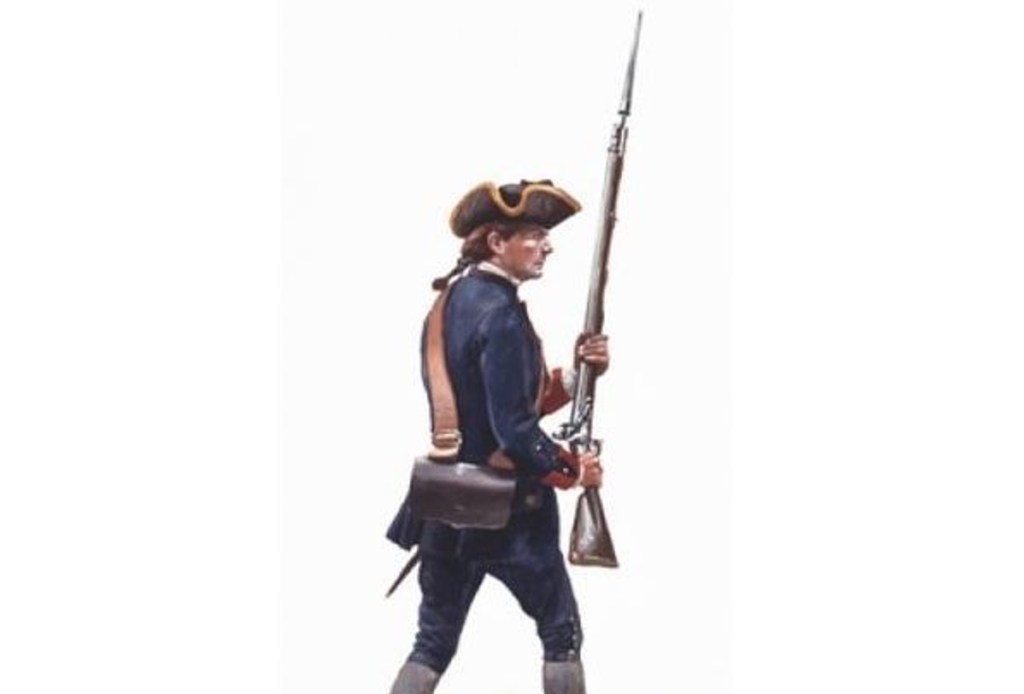
In New Jersey, a soldier’s blood runs blue. Back in 1673, the little town of Piscataway was at the bleeding edge of the British-American frontier. The Raritan River runs west from there up into the Jersey high ground, and in the summertime the natives would commonly come down it to hunt and fish along the…
-
July, 1775: Causes and Necessity

In the month of July, Thomas Jefferson wrote a Declaration. But it wasn’t in 1776, and it wasn’t about Independence. It was a year earlier, on July 6, 1775, when Jefferson and John Dickenson wrote, “The Causes and Necessity of Taking Up Arms,” explaining the position of the Second Continental Congress in Philadelphia. It’s a…
-
June, 1775: The Road North

This is how an army begins. On June 14, 1775, in response to the events of Lexington and Concord, the Second Continental Congress in Philadelphia voted to create the Continental Army out of the militia units surrounding Boston. To lead it, they unanimously appointed George Washington of Virginia to be its commanding general. Washington, a…
-
May 1775: The Patriot

This is the story of an American Patriot. He was from New Haven, CT, and his father died when he was very young; as a result, he could not afford to attend Yale with his cohorts. This left him with a sense of insecurity that he overcame by sailing on numerous trade voyages to the…
-
April 19-24, 1775: Israel’s Ride

News spreads fast. Here’s how. On Wednesday, April 19, 1775, in Watertown MA near Boston, Joseph Palmer, a member of the Massachusetts Committee of Safety, learned about what had happened that morning in Lexington. He wrote and dispatched what has become known to historians as the ‘Lexington Alarm’: “To all the friends of American liberty…
-
April 18, 1775: Unfound Fathers

LISTEN, my children, and you shall hear‘Bout the other guys not named Revere.On Eighteenth April, Seventy-FiveThese other two were yet aliveAnd rode too on that day and year.And though today we hardly pauseTo recreate forgotten fameTheir heroism was yet the sameWith long-lost names of Prescott and Dawes. While the Silversmith was talking lights(One or two…
-
March 1775: Restraint

The timing on the next pair of decisions is almost funny. As previously noted, in the beginning of February 1775, Parliament in England had lost patience with the pesky colonials in Boston and had declared them to be in open rebellion. A ship bearing this decision set sail for America, and would arrive in Massachusetts…
-
February 1775: Rebellion
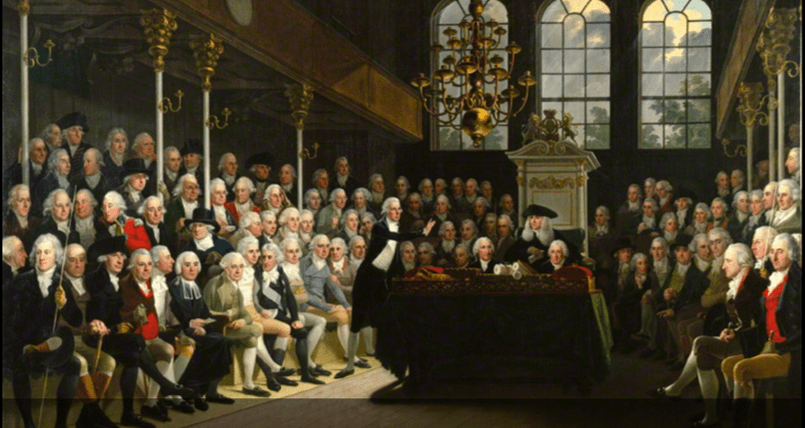
In the beginning of February, 1775, the English Parliament was feeling snarky. On the first day of the month, they rejected William Pitt’s proposed plan for recognizing the authority of the Continental Congress and allowing the American colonists some measure of self rule – a plan known as the Provisional Act – by a whopping…
-
January 1775: The Elder Statesman

On January 20, 1775, the most influential English politician of the century arrived at the House of Lords. This was William Pitt the Elder, Earl of Chatham, who had been Prime Minister of England from 1766 to 1768, and before that the guiding power behind two other Prime Ministers who had served from 1754 to…
 Revolution250.blog